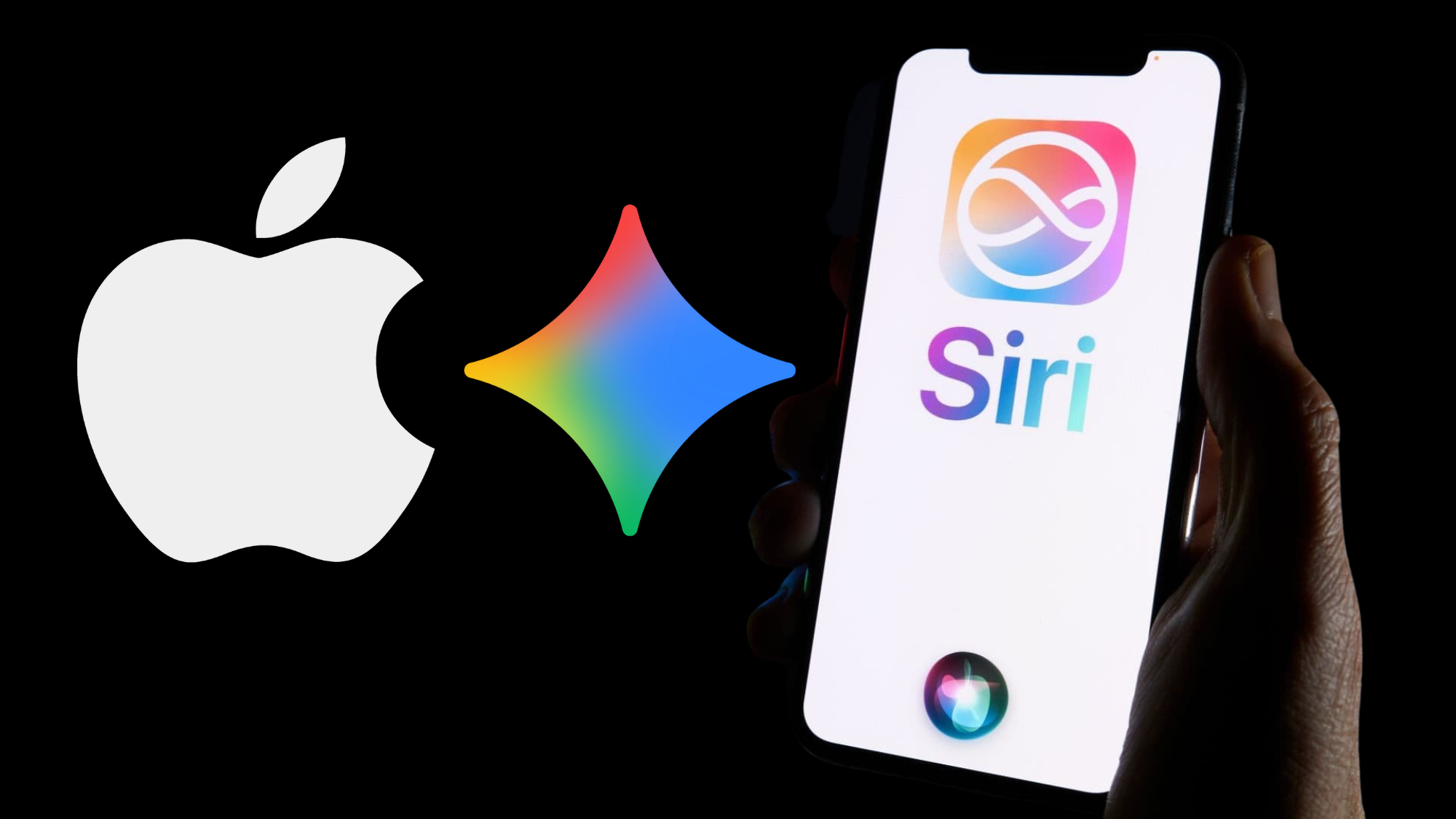
In a landmark move that has reshaped the landscape of artificial intelligence in consumer technology, Apple has announced a multi-year collaboration with Google to integrate its advanced Gemini AI models into Siri and other Apple Intelligence features in 2026.
This strategic partnership marks a major pivot for Apple’s AI approach, leveraging Google’s sophisticated large language model instead of relying solely on internal development.
What adds even more weight to this announcement is the broader implication it carries. Apple is no longer positioning AI as a background enhancement. Instead, it is placing intelligence at the center of the user experience. As confirmed by multiple industry sources, this decision signals a new phase in the competition for AI leadership, one where collaboration may outweigh isolation.
This blog explores what this means, why it matters, and how it could impact everyday users and businesses of all sizes, from startups in Miami to restaurants in Orlando.
Apple and Google, historically fierce competitors, have issued a joint statement confirming that Apple will build the next generation of its foundational AI models on top of Google’s Gemini technology and cloud infrastructure. These models will power a revamped Siri as well as broader Apple Intelligence capabilities across iPhone, iPad, and macOS devices.
In addition, Apple confirmed that Gemini will operate alongside Apple Foundation Models, not replace them. This distinction is critical. Apple maintains control over how intelligence is deployed across its ecosystem, while using Gemini to significantly elevate reasoning, language understanding, and response quality.
Rather than focusing on a single chatbot feature, Apple is restructuring Siri’s backend. As a result, Gemini’s deep learning architecture will introduce more contextual awareness, conversational depth, and personalization across everyday interactions.
For years, Apple’s Siri has lagged behind competitors such as Google Assistant and Amazon Alexa in natural language understanding and contextual intelligence. Users frequently encountered rigid responses that failed to adapt to conversational flow.
By integrating Gemini’s high-capacity reasoning models, Apple directly addresses this limitation. Siri will no longer rely on fragmented intent detection. Instead, it will process meaning, follow context, and respond in ways that feel continuous and natural.
Apple’s emphasis on privacy remains central to this partnership. According to official statements, Gemini-powered features will run either on device or through Apple’s Private Cloud Compute infrastructure.
This means personal data is not used to train Google models or stored externally. Consequently, Apple reinforces its commitment to privacy while still delivering a major leap in AI performance. This balance is one of the most defining aspects of the partnership and one that differentiates Apple’s approach from other AI platforms.

With Gemini powering Siri’s reasoning and natural language skills, users can expect a more fluid assistant capable of:
Over time, this evolution transforms Siri from a command-based assistant into an AI companion that understands intent, nuance, and continuity.
Apple has stated that the Gemini-powered Siri rollout will occur gradually throughout 2026, beginning with select devices and regions. This phased release allows Apple to ensure stability, performance, and privacy compliance across its ecosystem.
For everyday users, the impact is practical and immediate. Enhanced AI capabilities mean fewer repeated commands, clearer understanding of requests, and smarter suggestions based on context and usage patterns.
As a result, voice interactions become a reliable productivity tool rather than a secondary option.
Smarter conversational AI also enhances accessibility. Users with mobility, vision, or cognitive challenges may benefit from improved speech recognition, clearer responses, and better task execution. This reinforces Apple’s long-standing commitment to inclusive technology.
As Siri becomes more conversational, voice search behavior will shift significantly. Users will ask longer, more specific questions when searching for services.
For example, a restaurant owner in Tampa could benefit from queries such as “Italian restaurants open after 8 p.m. near Ybor City.” Similarly, a law firm in Orlando may gain visibility from searches like “personal injury lawyer in Orlando with bilingual services.”
Businesses that invest in strong SEO foundations, structured content, and AI-friendly optimization will be better positioned to appear in these results.
This partnership reflects a broader industry shift toward strategic collaboration. By choosing Gemini over alternatives such as OpenAI or Anthropic, Apple signals confidence in Google’s leadership in foundation AI models.
At the same time, it demonstrates that the next phase of AI innovation may rely less on isolated competition and more on selective alliances that accelerate progress.
Developers building within Apple’s ecosystem will benefit from deeper AI integration across apps. Natural language search, intelligent automation, and smarter workflows will become more accessible, allowing developers to create more responsive and intuitive experiences.
Some analysts have raised concerns about Apple’s reliance on Google for core AI capabilities. While Apple retains architectural control, long-term dependency on Gemini could influence how quickly Apple can independently innovate.
As AI capabilities expand, scrutiny around data handling will increase. Apple’s challenge will be maintaining customization and intelligence without eroding user trust. Transparency and execution will be critical.
Apple’s decision to integrate Google’s Gemini into Siri marks a turning point in how artificial intelligence is embedded into everyday technology. This is not simply an enhancement to a voice assistant. It reflects a broader shift toward smarter, more contextual, and more human-like digital interactions.
For users, the experience becomes more intuitive, efficient, and responsive to real intent. Siri is no longer limited to single commands or rigid responses. Instead, it evolves into an assistant capable of understanding nuance, continuity, and complexity across daily tasks.
For businesses, especially small and mid-sized companies, this shift creates both opportunity and responsibility. As AI-powered assistants become more influential in how people search, discover, and choose services, digital visibility must adapt. Voice search optimization, structured content, and AI-ready SEO are no longer optional. They are essential.
This is where strategy matters. Expresso Company helps businesses prepare for AI-driven changes by aligning their digital presence with how modern AI systems interpret and surface information.
From SEO and content optimization to local search visibility and future-ready digital strategies, Expresso Company supports brands that want to stay competitive as AI reshapes the customer journey.
The future of artificial intelligence is already unfolding. Businesses that move now will be better positioned to grow, connect, and lead in an AI-powered world.
The partnership means that Apple will integrate Google’s Gemini AI models into the next generation of Siri and Apple Intelligence features. Gemini will work alongside Apple Foundation Models, enhancing Siri’s ability to understand context, manage complex requests, and deliver more natural responses. Apple maintains control over privacy, user data, and how AI operates within its ecosystem, while leveraging Google’s advanced AI capabilities to accelerate innovation.
No. Gemini does not replace Siri or Apple’s internal AI models. Instead, it complements them. Siri remains Apple’s voice assistant, while Gemini enhances its intelligence behind the scenes. Apple Foundation Models continue to play a central role, especially for on-device processing and privacy-sensitive tasks. This hybrid approach allows Apple to improve performance without losing ecosystem control.
Users will experience more natural conversations with Siri. Instead of responding to isolated commands, Siri will better understand follow-up questions, intent, and context. This improves everyday tasks such as scheduling, searching for local services, managing messages, and planning activities. Over time, Siri becomes more proactive and helpful, rather than reactive.
Apple has confirmed that the upgraded Siri will roll out gradually throughout 2026. The launch will begin with supported devices and select regions before expanding more broadly. This phased approach allows Apple to ensure performance stability, security, and compliance with privacy standards across its platforms.
Apple has emphasized that privacy remains a top priority. Gemini-powered features will operate on device or through Apple’s Private Cloud Compute. Personal user data will not be used to train Google’s AI models. This ensures that users benefit from advanced AI without sacrificing the privacy protections Apple is known for.
As Siri becomes more conversational and context-aware, voice search queries will become longer and more specific. Businesses that rely on digital discovery will need optimized content, clear service descriptions, and strong local SEO to appear in AI-driven responses. This change favors businesses that invest in structured, high-quality content and AI-ready SEO strategies.
Yes. Smarter AI assistants can drive more qualified leads to businesses that are properly optimized. For example, a service-based business in Florida can gain visibility when users ask Siri detailed questions such as service availability, location, or specialization. AI-driven discovery rewards businesses that are clear, relevant, and easy for search systems to understand.
Yes. AI-powered assistants are already influencing how people search and make decisions. Waiting to adapt can result in lost visibility and missed opportunities. Businesses that act now gain a competitive advantage by aligning their digital presence with how AI systems interpret and surface information.
Expresso Company helps businesses prepare for AI-driven discovery by optimizing websites, content, and SEO strategies for modern search behavior. This includes voice search optimization, local SEO, content structuring, and AI-friendly digital strategies. As platforms like Siri evolve, Expresso Company ensures your business remains visible, competitive, and positioned for growth.